Chaga in Mushroom Coffee: Limited Human Evidence and Dose Context
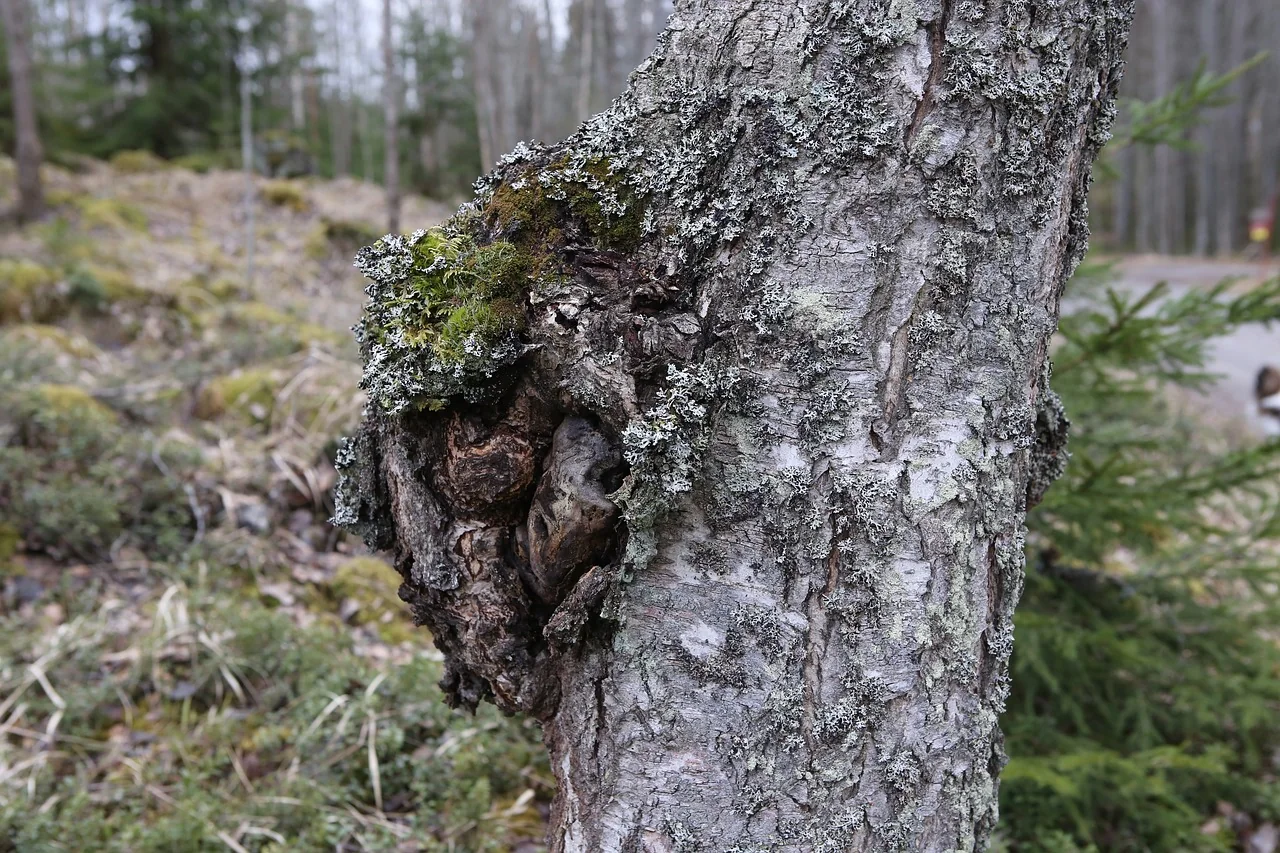
Chaga appears in several mushroom-product formulas, including RYZE's named blend. Human research is limited and uses materials and doses that differ from a coffee; the current RYZE ingredient summary does not disclose a Chaga-specific amount.
A small older trial reported mixed biomarker results
A 2007 human study enrolled 60 healthy volunteers and compared control with two daily amounts of a named Chaga preparation over eight weeks. The paper reported several changes in measured immune or laboratory markers, but did not find a change in natural-killer-cell counts; it also noted frequent urination and small laboratory changes in some measures.
This small, older study of a defined extract cannot show that a different product prevents illness, reduces inflammation, or provides a general antioxidant benefit. The abstract and study design do not establish a clinically meaningful effect from RYZE.
A case report involved sustained high powder intake
A published case report described oxalate nephropathy in a person with cancer who reportedly consumed several teaspoons of Chaga powder each day for about six months. A single case cannot determine how often a problem occurs or establish risk from a small, short-term serving of another product.
The amount of Chaga in RYZE is not disclosed in the current ingredient summary, so the case report cannot be converted into a product-specific dose estimate. People with kidney disease or a relevant medical history should ask a qualified clinician about supplements rather than relying on ingredient marketing.
A case report is a signal, not a frequency estimate
A case report describes an individual clinical event and can alert clinicians to a possible safety question. It does not have a comparison group and cannot tell how common the event is, whether the supplement caused it with certainty, or what dose would be safe for other people. The Chaga report discussed above involved one person and sustained powder intake; it is not a direct estimate of risk from a serving of a different product.
That limitation does not make a case report useless. It means the result should be kept at its proper scale: a reason to investigate and to avoid turning an unknown into a guarantee. The report cannot establish that every Chaga product causes kidney injury, and the absence of a product trial cannot prove that no risk exists. Both overstatement and dismissal would go beyond the evidence.
Blend labels limit dose comparisons
The current product information names Chaga in the Super6 blend but does not give a Chaga-specific amount. A total for several mushrooms, when stated, cannot be divided evenly among them unless the manufacturer says that is how the blend is made. It also cannot reveal whether the material is a powder or extract, what part was used, or the concentration of compounds discussed in another paper.
If someone needs to evaluate a supplement in light of kidney disease, a history of stones, laboratory abnormalities, medication use, or another diagnosis, the package should be reviewed with a qualified clinician or pharmacist. The ingredient name on its own is not enough to assess individual risk. This article cannot provide a personal safety decision or recommend a particular Chaga dose.
Separate laboratory findings from health outcomes
A laboratory antioxidant measure, an immune marker, and a clinical outcome such as fewer infections are different endpoints. A small human study can report changes in some measured markers without showing that participants felt better or had less illness. The older Chaga study summarized here is not a product-specific clinical test and should not be described as proof of broad immune, anti-inflammatory, or disease-prevention effects.
For a stronger conclusion, researchers would need to test a defined preparation and amount, use an appropriate comparison, report uncertainty and adverse events, and measure outcomes that matter to the claim. Replication would help show whether the finding is robust. Until then, a species name or a mechanistic explanation is not a substitute for evidence about the finished coffee.
The amount and material remain unknown
The current ingredient information names Chaga among six mushrooms but does not provide its serving-level amount. It also does not allow a reader to infer a standardized extract ratio or the amount of oxalate in the finished cup. Those are important unknowns when comparing a case report or laboratory paper with another product.
A clinician can consider an individual's kidney history and the exact package when a supplement question arises. General online descriptions cannot establish individual safety, and a single case cannot estimate a safe threshold. This guide therefore reports the case as a limited safety signal and avoids converting it into a risk percentage or dose recommendation.
What the evidence does not establish
The available evidence here consists of a small study of a specific preparation and a separate high-intake case report. Neither tested RYZE Mushroom Coffee. A laboratory antioxidant result or a species name is not proof of a health outcome, and the product's undisclosed per-mushroom amount prevents a dose comparison.
What to check for this question
- Distinguish a human clinical outcome from a laboratory marker or mechanism.
- Check the preparation, total intake, and duration in a safety report before applying it to another product.
- Ask a clinician about supplements when you have kidney disease, a diagnosis, or take medication.