How to Store Mushroom Coffee After Opening
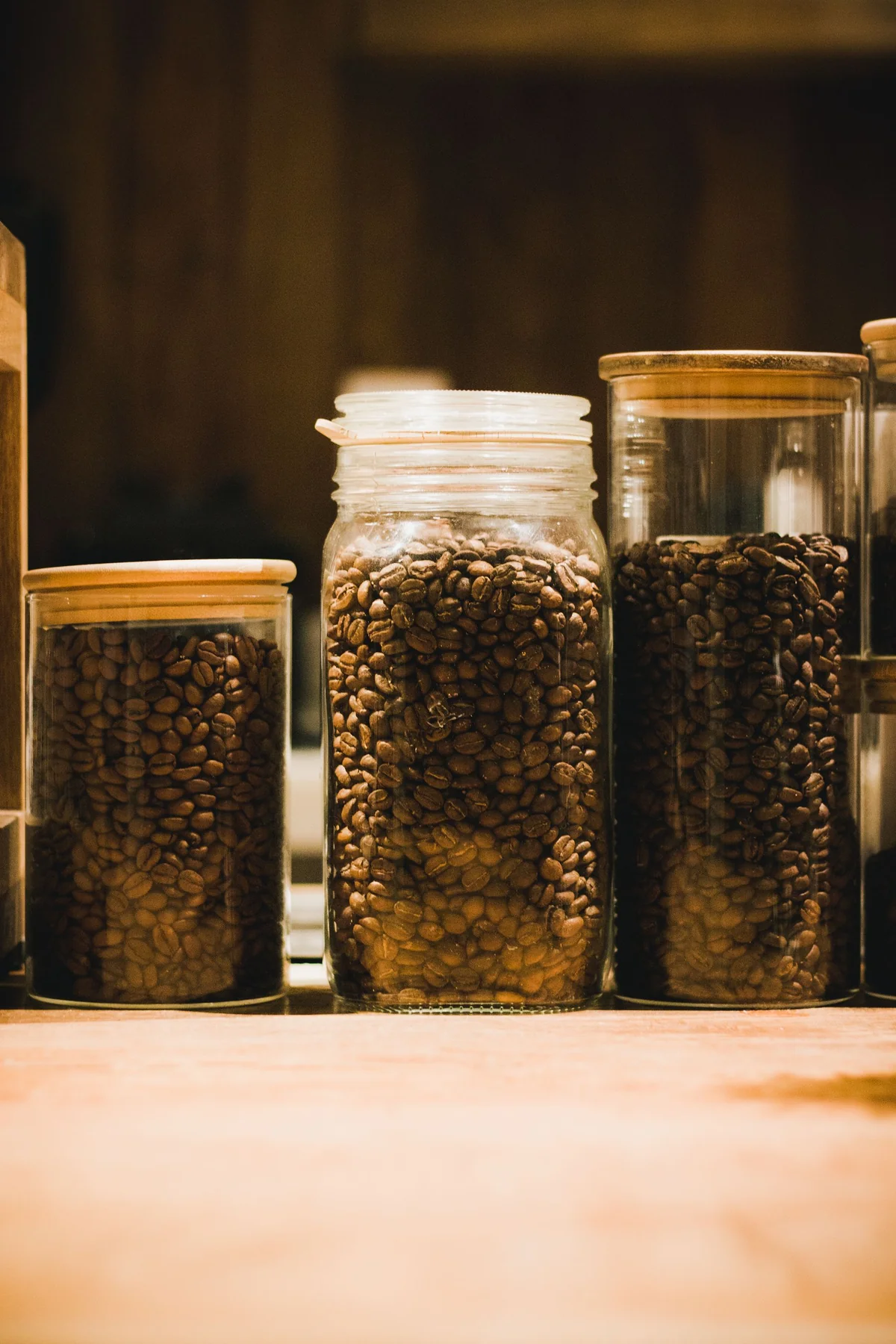
The package is the first authority for how a particular mushroom coffee should be stored and when it should be used. For a dry powder, careful handling mainly means limiting moisture, keeping the closure secure, and tracking the date. Storage advice should not invent a shelf life that the manufacturer has not stated.
Follow the exact package first
Read the storage line, best-by date, and any instructions about refrigeration or resealing on the product you own. Powders, pods, ground blends, and ready-to-drink products have different packaging and handling needs. Advice for roasted whole beans or another brand's instant coffee is not a replacement for directions printed on this product.
Keep the original label available after opening. If you transfer the powder to another container, retain the lot number, ingredient list, and date information so the product remains identifiable. Do not throw away the package until you have recorded those details. A new container can be convenient, but it should not make the source or best-by information disappear.
Keep dry powder away from moisture
Use a dry scoop and close the pouch or jar promptly after serving. Steam rising from a kettle can condense near an open package, and a damp spoon can introduce water directly into a powder. Store the container where splashes and kitchen humidity are less likely to reach it, rather than beside a boiling pot or over a sink.
If the package includes a resealable closure, press it fully shut and smooth out trapped powder that prevents a complete seal. If it does not reseal well, use a clean, dry, food-safe airtight container while keeping the original label and lot information. Avoid adding a loose desiccant packet unless the manufacturer specifically directs it; an improvised insert can create a foreign-object risk.
Choose a place and track the package timeline
A cool, dry cupboard away from direct sunlight, an oven, or a heater is a reasonable default when the package gives no special instruction. Frequent temperature changes can create condensation when a cold container is opened in humid air. For that reason, do not move a product into the refrigerator or freezer unless its manufacturer says to do so.
Keep the jar away from strong-smelling foods if its closure is not fully airtight. Powders can pick up surrounding odors, which may change how a cup tastes even when the product has no visible problem. Storage is about preserving the intended product and making the next serving predictable; it does not guarantee that flavor or quality will remain unchanged indefinitely.
Write the opening date on the package if it is useful, but do not use that date to replace the manufacturer's best-by or expiration information. A date may refer to quality under the stated packaging and storage conditions. This guide cannot convert it into a different number of weeks after opening, because formulations and packaging vary.
Use the oldest opened package first when you have more than one, and keep the lid closed between servings. Compare each container's lot and date before moving anything into a storage jar; mixing packages can make a later product question harder to trace. If the package was damaged or exposed to a spill, follow the manufacturer's advice rather than relying on the date alone.
Keep a useful opening record
A short note can preserve details that disappear when a pouch is folded or transferred: product and roast name, lot or batch code, printed date, date opened, and the storage instruction on the package. Photographing the label before moving the powder is another way to retain the exact wording. These details help identify which product you used if you later have a package question.
If a container is shared, keep the manufacturer's label next to it so the roast, ingredients, lot, and date are not confused with another product. A note is a traceability aid, not a freshness test or a new shelf-life guarantee. Continue to follow the storage limits and after-opening directions supplied for that specific package.
Keep the serving area clean
Set the scoop on a clean, dry surface between uses instead of leaving it on a wet counter. If the scoop has been washed, let it dry fully before returning it to the container. Wipe powder from the rim before resealing so particles do not interfere with the closure. These steps are small, but they make it easier to keep the contents dry from one serving to the next.
If several people share the package, explain the same routine: dry scoop, quick reseal, and no pouring steam into the opening. The habits reduce avoidable exposure to water and spills without claiming to extend shelf life beyond the printed information. For a reproducible drink, measure the labeled serving separately and keep changes to liquid or add-ins in your preparation notes.
When to ask for product-specific advice
Contact the manufacturer when the label is missing, a seal was damaged before opening, a product has an unusual appearance, or the storage instructions conflict with what happened. Include the product name, lot number, package date, and a concise description. Do not rely on a generic coffee-storage article to answer a question about a particular formula or a compromised package.
For a prepared drink containing milk or another perishable addition, use appropriate food handling and refrigerate leftovers promptly rather than treating it like a sealed dry pouch. Keep the powder storage question separate from the finished beverage. This guide does not set an official shelf life or make a safety judgment for a specific package.