Iced Mushroom Coffee: A Practical Guide to Cooling and Dilution
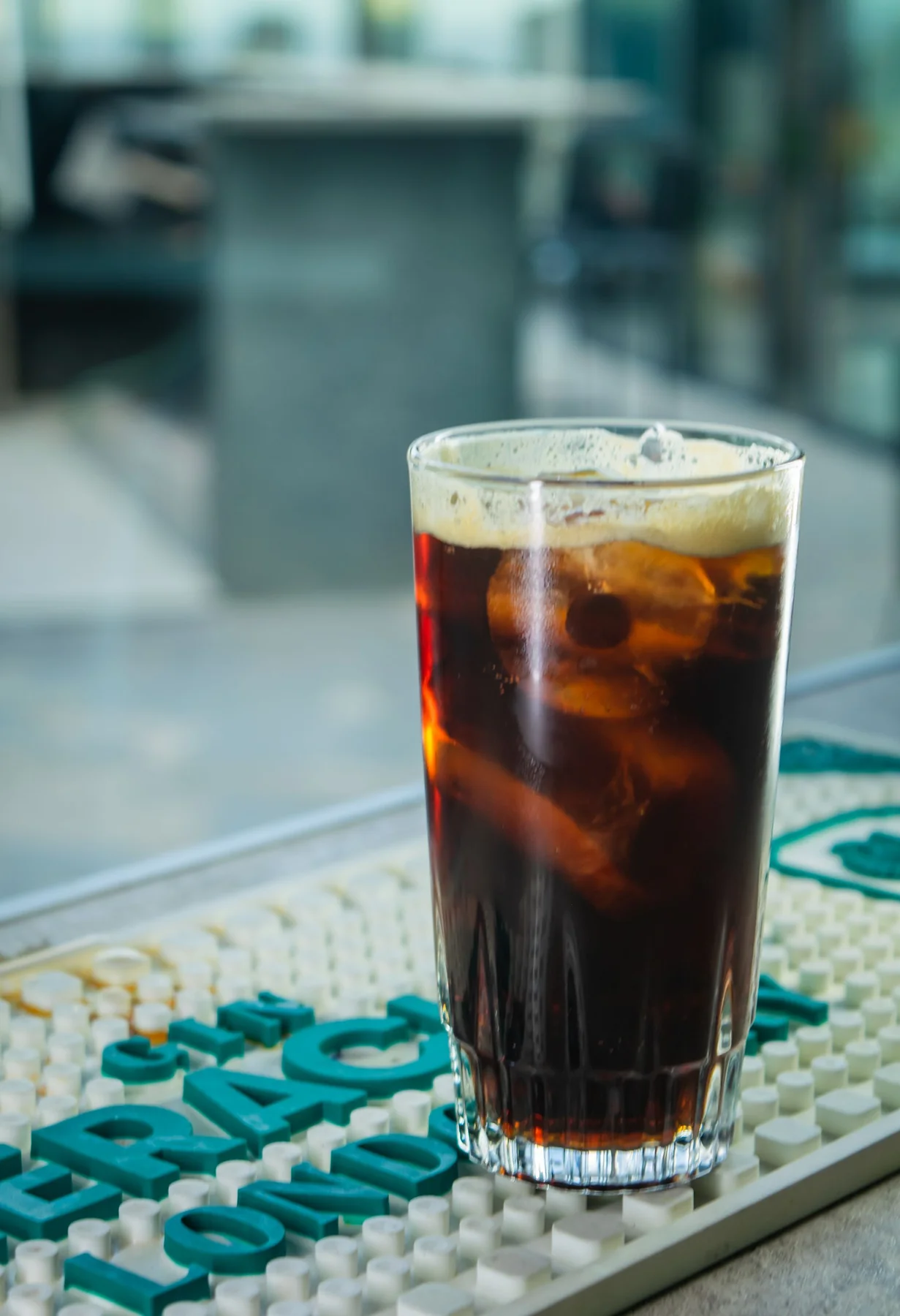
An iced drink changes as water is added, and melting ice makes that change gradual. This guide treats dilution as something you can record and repeat: keep the package serving fixed, separate measured water from ice melt, and note the conditions that affect the final cup.
Set a baseline from the package
Start with the serving and preparation basis printed for the exact product. If its directions require a warm base or a particular format, use the general preparation guide for that step; this page does not replace a product-specific method. Record the labeled serving and the amount of liquid used before you add ice, milk, or sweetener.
That first cup is the baseline. Keep the product amount the same in later comparisons and write down the starting liquid volume. A scoop, pod, brewed cup, and ready-to-drink container may use different serving definitions, so do not compare them by mug size alone or borrow a measure from another product.
Separate measured water from ice melt
For a controlled taste adjustment, add chilled water in a measured amount before adding ice. Taste the base, add a small recorded increment, and stop when the cup reaches your preference. The simple liquid record is: labeled preparation liquid plus added chilled water. This makes it possible to repeat the dilution without guessing how much ice melted.
Ice contributes additional water as it melts, but the amount is not fixed across glasses. Cube size, glass temperature, room conditions, and waiting time all affect the result. If you want to compare iced cups, keep the glass and ice type similar and note how long the drink sits. When melt is not measured, describe the condition rather than claiming an exact dilution percentage.
Use a paired cup to test your preference
Prepare one labeled serving and divide the prepared base into two equal portions. Leave one portion as the reference; add a measured amount of chilled water to the other. This small side-by-side check can show whether your preferred change came from dilution instead of a different serving, milk, or sweetener. Repeat with a different water amount only after recording the first comparison.
Once you have a preferred base, try it over ice using the same glass and a similar amount of ice each time. Pouring the base over ice at the last moment can make the starting condition more repeatable, but it cannot freeze the melt rate in place. Keep the comparison personal: it documents your taste and setup, not what other people will prefer.
Keep a short dilution log
A useful note needs only the product and roast, labeled serving, starting liquid, extra chilled water, ice type or approximate amount, and time between pouring and drinking. If milk or another addition is part of your normal cup, record it separately so it is not mistaken for water dilution. Use the same units each time and note when the package directions differ.
If the drink tastes weaker after sitting, compare the note with a cup served immediately. If it tastes weak from the first sip, recheck the serving and base liquid before blaming ice melt. If texture or particles are the problem, see the clumps and sediment guide; a dilution adjustment will not explain every mixing issue.
Consider when you actually drink the cup. Taste one sample soon after pouring and another after your usual wait, keeping the base, glass, and ice arrangement as similar as practical. Record the interval instead of writing only “after a while.” If the later sample tastes thinner, adjust the measured starting water or serve sooner; this personal note does not calculate the exact amount of meltwater.
Adjust flavor without changing the serving
Sweetener, cocoa, and milk change flavor and the finished beverage's ingredients. Add them after you have established the plain base and change one addition at a time. Cold temperature can make the same cup seem different from a warm one, so compare at a similar temperature if you are trying to isolate dilution. Write down additions in their own line in the log.
Do not add a second labeled serving to compensate for ice melt or a milder taste. That changes the total coffee and mushroom ingredients, and may change caffeine intake. A flavor preference is a reason to adjust measured liquid or additions within the package's directions, not evidence that the product needs a larger dose.
Keep the record within its limits
This method tracks how you prepared a cup. It does not calculate the exact amount of every ingredient remaining in a partly melted drink, especially if the formula contains material that settles or does not dissolve completely. It also cannot turn a personal preference into a product comparison unless the serving basis and preparation are matched.
For a shared pitcher, record the number of package servings and the total base liquid, then let each person add water or ice to an individual glass. Refrigerate a prepared drink containing milk or another perishable ingredient according to appropriate food-safety guidance. Keep dry-product storage instructions separate from those for the finished beverage.