Instant, Ground, Pods, or Ready-to-Drink? Identify the Mushroom Coffee Format
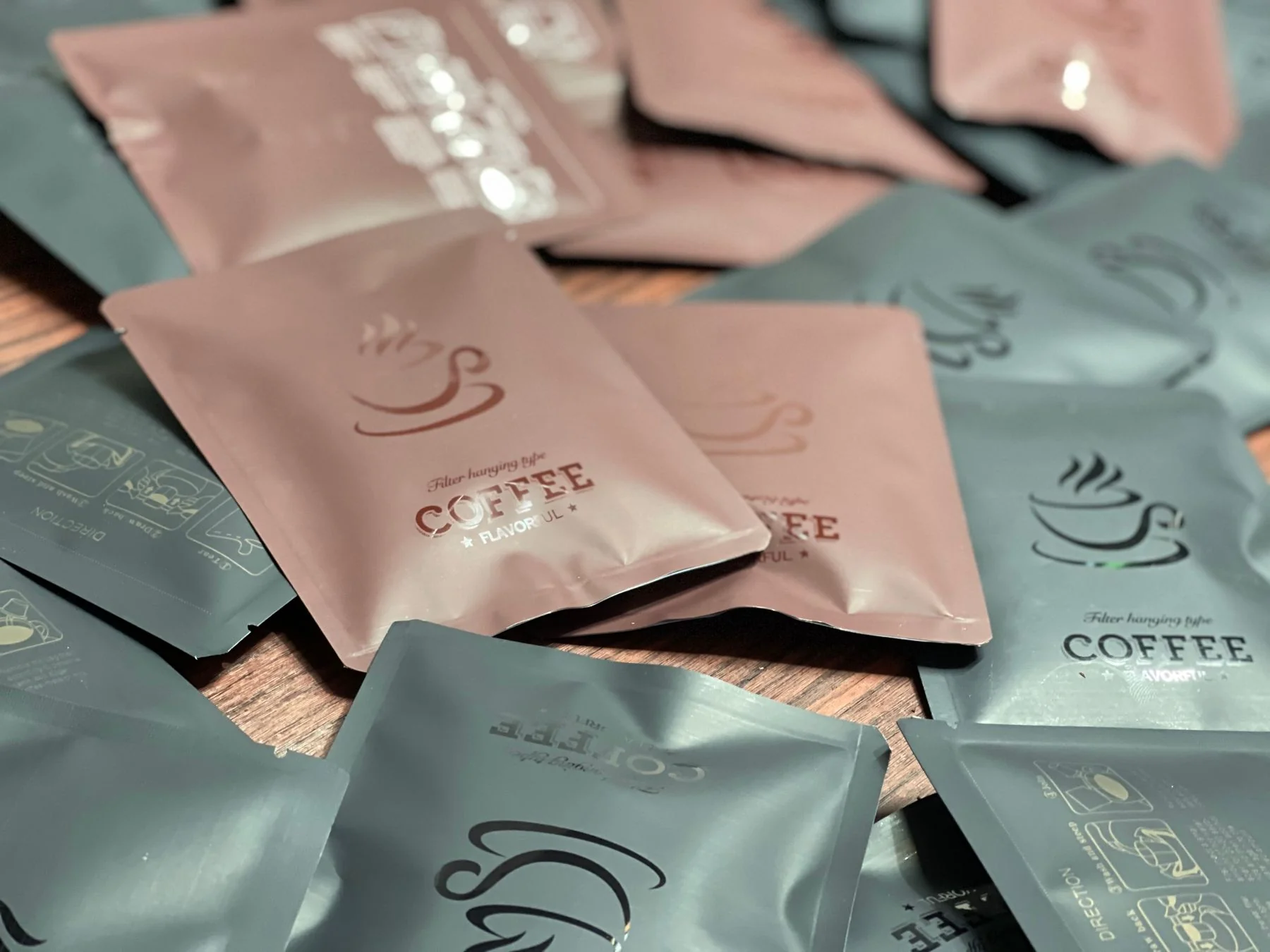
“Mushroom coffee” describes a broad product category, not one preparation format. A sachet, jar of soluble mix, bag of grounds, pod, and ready-to-drink bottle can look related on a product page while requiring different equipment and serving comparisons. This guide helps identify what is in front of you and which package details to record before choosing a method.
Start with the form the package actually supplies
Use the package format and preparation panel together. A sachet or jar can hold a soluble mix, loose grounds, or another dry blend; sealed single-use doses and prepared drinks have different package details. The product name alone may not settle which kind you have, particularly when the front label uses a broad phrase such as “mushroom coffee.”
The distinction matters because the same word, such as “blend,” can describe different ingredients and uses. A mushroom ingredient may be combined with soluble coffee, roasted grounds, flavorings, or other components. The package's preparation panel is the better clue to how the maker intends the format to be used.
For a quick first pass, record whether the product is dry or ready to drink, loose or sealed into a dose, and intended for a cup or a device. This classification does not establish the formula's strength or quality. It prevents a common comparison error: treating every product sold under one category as if it were measured and prepared the same way.
Instant mix and ground coffee behave differently
A soluble mix is portioned directly into a cup, while ground coffee is used with a brewer or filter. A mushroom coffee product can also combine coffee with other ingredients, so a short front label may not explain the complete blend. Look for the package's product description and directions rather than inferring the format from the brand name.
If the package names both coffee grounds and mushroom material, keep those components distinct in your notes. Record whether the serving is measured as dry mix, grounds before brewing, or a prepared cup. That difference matters when comparing two labels because an amount for the contents is not automatically the same basis as an amount for the finished drink.
A pod adds a compatibility question
Read the exact machine or platform named on the pod package. Similar-looking capsules are not proof of compatibility, and a pod intended for one brewer may not fit another. Check the maker's compatibility statement before buying or inserting it; do not force a capsule into a device or open it to use the contents as loose powder unless the manufacturer says that is intended.
Record the device family alongside the product name if you compare pod formats. That detail is easy to lose when a carton is discarded, yet it can explain why two products with similar serving descriptions work differently. The pod's stated serving is tied to its package and brewing system, not automatically equivalent to a scoop of instant mix.
Ready-to-drink means the beverage is already prepared
For a bottle or can, check whether the package says to shake, chill before opening, or use within a stated period after opening. Storage instructions for a sealed drink are not interchangeable with those for dry powder. Follow the exact package wording, especially if the product contains ingredients that require refrigeration after opening.
Check whether the container holds one serving or more than one, and distinguish the amount in the whole package from the labeled serving amount. A drink may also have sweeteners or other ingredients that a plain powder does not. Do not transfer a nutrition or caffeine figure from a powder to a bottle just because both are described as mushroom coffee.
Compare the same kind of serving
A scoop, pod, brewed cup, and bottle can each represent different quantities. Before comparing labels, write down the serving unit, the number of servings per package, and whether a stated amount refers to the dry product or prepared beverage. If the bases do not match, mark them as different instead of treating the numbers as a direct comparison.
Caffeine statements are especially easy to misread when one package reports an amount per serving and another reports a value for a different volume or format. If no value is provided, record “not stated”; do not estimate from color, taste, or the size of the container. This is a label comparison, not a measurement of the drink you prepared.
Make a format card for the product you own
A useful record fits on one line: package form, serving unit, named device if any, preparation wording, storage note, and lot or best-by information. Add the exact product name and date you checked it. That small record makes it easier to compare a reformulated package later without relying on a memory of an older label.
Keep “what format is it?” separate from “how should I make it?” The format card identifies the product and the label basis; the site's preparation guide covers common methods, and the package remains the authority for a specific item. If the directions are missing or conflict with the device, ask the manufacturer instead of borrowing instructions from another product.