Reishi in Mushroom Coffee: A Trial of a Specific Extract
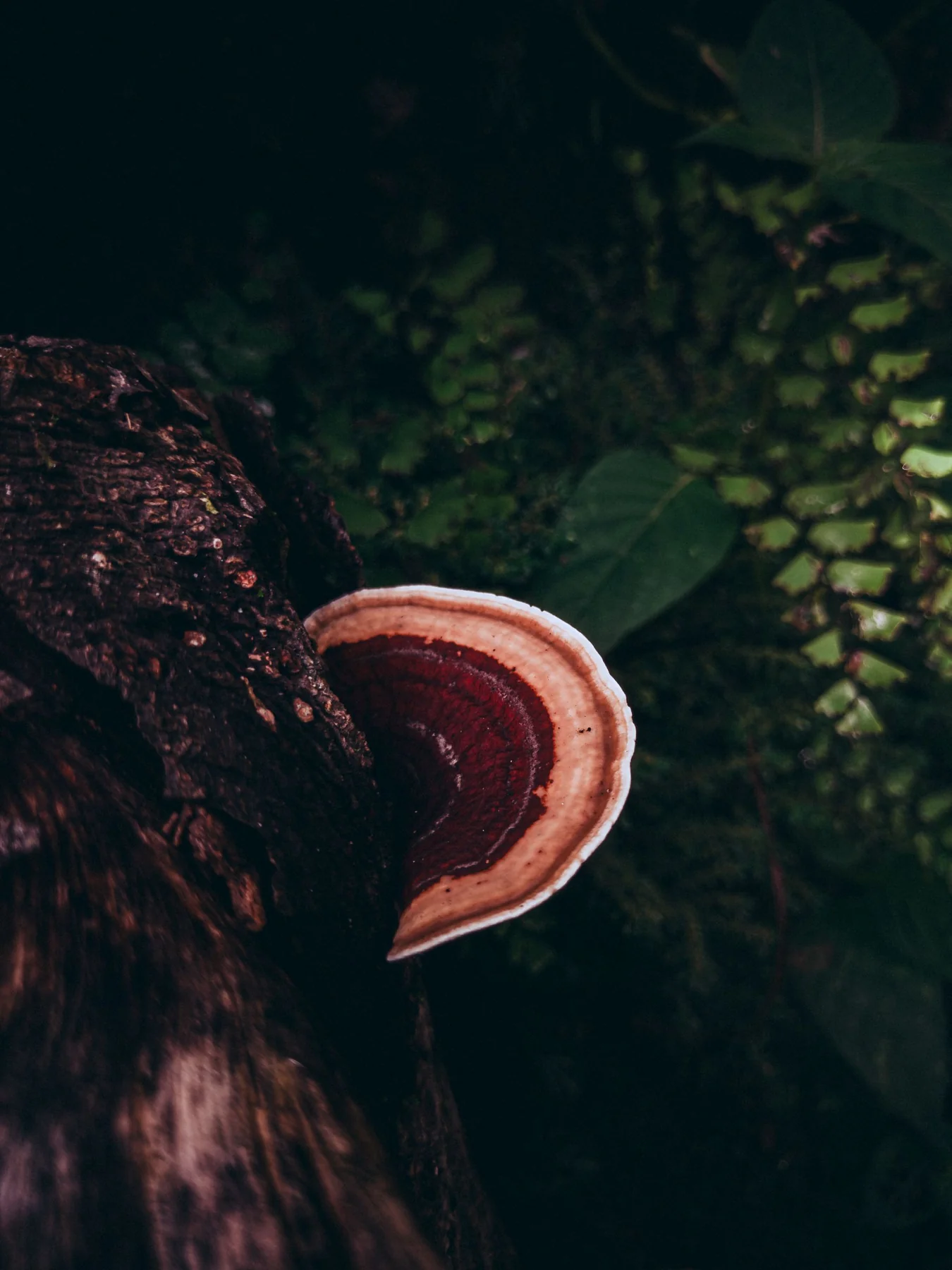
Reishi (Ganoderma lucidum) is listed in RYZE's mushroom blend. That name alone does not identify the product's amount or preparation. One older clinical trial examined a defined polysaccharide extract for a diagnosed condition; it cannot establish a general calming or sleep effect from a coffee.
The Ganopoly trial involved diagnosed neurasthenia
A randomized, double-blind, placebo-controlled trial enrolled 132 Chinese patients diagnosed with neurasthenia; 123 were assessable. Participants received 1,800 mg of a named Ganoderma lucidum polysaccharide extract (Ganopoly) three times a day or placebo for eight weeks. The researchers evaluated global clinical impression and self-reported fatigue and wellbeing measures.
The trial concerns a specific extract, a high daily dose, a clinical diagnosis, and particular assessment scales. It is not a trial of RYZE, ordinary stress in the general population, insomnia, or a typical coffee serving.
The amount in a blend matters
RYZE's current product information names Reishi within its Super6 blend and gives a total blend amount of 2,000 mg, but it does not allocate that total among the six mushrooms. The amount of Reishi cannot therefore be inferred from the blend total or compared with the Ganopoly regimen.
A separate small study of Reishi in female college students is discussed in our anxiety article; that study also used its own supplement and population. Repeating a study in another context does not make either result product-specific.
The study's population and diagnosis matter
The Ganopoly trial enrolled patients with a specific diagnosis and used a named polysaccharide extract over several weeks. Its findings cannot be treated as a general result for everyday stress, sleep difficulty, or anxiety in everyone. The symptom scales and clinician assessments used in a trial are also not interchangeable with a broad phrase such as calm energy in product marketing.
The separate college-student study described in the anxiety guide asks another narrow question. It involved a different population, a different supplement schedule, and self-reported measures over thirty days. Even when two studies involve the same mushroom species, their findings should not be combined as if they tested one standardized product or one shared health outcome.
A blend total does not reveal Reishi exposure
A total mushroom-blend weight, if present on a product label, describes the combined ingredients rather than the Reishi share. The current product summary does not provide a per-mushroom breakdown. Nor does a label name explain whether the material matches the polysaccharide extract used in the older trial. This makes a dose comparison impossible from the public product facts described here.
Processing, preparation, and the matrix in which an ingredient is consumed may differ between a standardized supplement and an instant coffee. Without comparable materials and doses, a reader should not assume that a cup produces the same exposure or outcome. A product-level study would need to test the actual beverage as prepared according to its label.
What a careful claim would need
A claim about stress relief or sleep should be matched to a study that measured that particular outcome in a relevant population, with a clear comparator and enough follow-up to understand duration. A change in a laboratory value or a broad wellbeing score does not necessarily show better sleep or treatment of a mental-health condition. The study design and its limitations should remain part of the summary.
The available research here is context for asking questions, not a reason to start Reishi or a coffee blend for a symptom. People who use medication, have a health condition, or plan to take a supplement for persistent symptoms should consult a qualified professional. This page cannot assess interactions or advise an individual on treatment.
A dose comparison is not possible from a species name
The Reishi studies described use specified supplements, while the coffee label names Reishi inside a blend without a per-mushroom amount. Readers cannot infer that the amount in one serving matches the dose given in either trial. The forms may also differ, so comparing milligrams alone would not settle whether two materials are equivalent.
A meaningful product trial would disclose its full formula and serving, describe the preparation, and measure the proposed stress or sleep outcome. It should include an appropriate comparator and enough follow-up to distinguish short-lived changes from sustained ones. If the study examines a different Reishi extract, its result needs to remain attached to that extract rather than transferred to every product carrying the name.
The available evidence is therefore best used to frame questions: which preparation was tested, in whom, at what amount, and against what outcome? It cannot establish that RYZE reduces everyday stress, lowers cortisol, improves sleep, or treats a medical condition.
Avoid broad extrapolation
This trial is a narrow research result for a particular Reishi extract and clinical population. It does not show that RYZE lowers cortisol, reduces everyday stress, improves sleep, or treats a condition. The current product label does not disclose enough detail to match the trial dose.
What to check for this question
- Read which Reishi preparation was tested and the dose used.
- Check whether the study population and outcome match the claim being made.
- Ask a health professional before using a supplement for symptoms or alongside medication.