Milk and Plant-Based Drinks in Mushroom Coffee: Texture and Label Checks
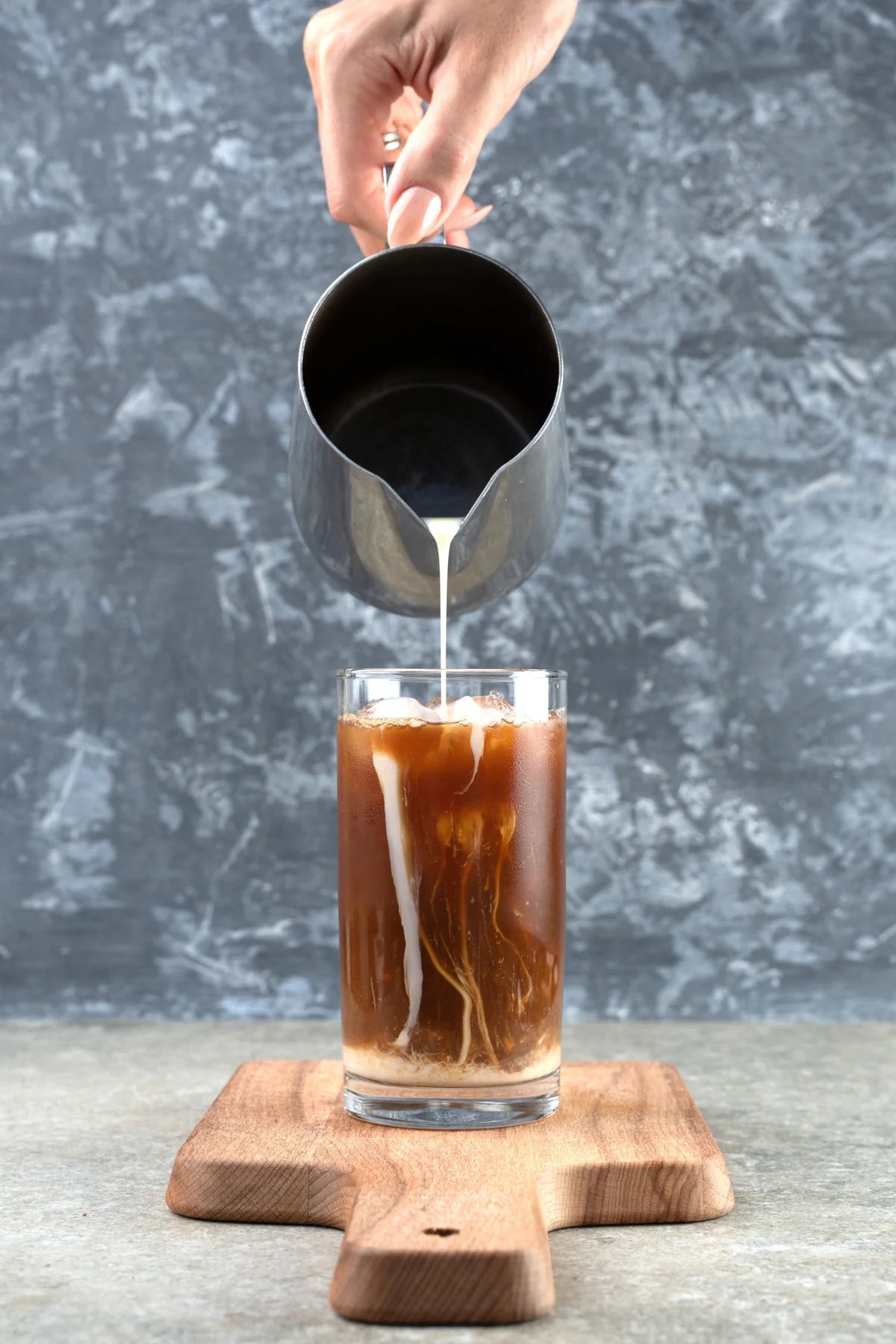
Milk changes a cup's flavor and texture, but the right addition depends on the carton and the kind of drink you want. Dairy milk, oat drinks, soy beverages, and other alternatives have different ingredients and formulations. This guide gives you a repeatable way to compare the addition itself without ranking whole product categories.
Treat the coffee base and the milk as separate ingredients
Prepare the mushroom coffee according to its own package before adding milk. That makes it easier to tell whether a texture issue comes from the base, the added drink, or the combination. If you change both the powder amount and the milk at once, it becomes difficult to identify which adjustment changed the result.
Start with a small splash in one prepared cup, taste, and add more gradually. Dairy milk may make a drink feel creamier, while plant-based products vary widely in body and sweetness. These are sensory tendencies, not guaranteed results for every carton. Brand recipes, stabilizers, protein, fat, and processing can all affect the finished texture.
Read the carton beyond the front claim
Check the ingredient list and nutrition panel of the exact milk or plant drink you plan to use. Flavored versions can contain sweeteners or flavorings that change the cup. Compare serving sizes before comparing sugar or calories, since labels can use different reference amounts. A front-of-pack phrase such as “barista” or “unsweetened” does not replace the full label.
If sugar content matters to you, check the line for added sugars and note whether the carton is plain or flavored. If protein, calcium, or fortification matters, read the nutrient values rather than assuming all plant beverages are alike. This guide does not recommend a specific milk or make a claim that one addition improves the health effect of mushroom coffee.
Use temperature and foam carefully
Warm milk gently and add it after the coffee base is prepared. Overheating can make the texture less pleasant and increases burn risk, particularly when steaming or frothing. Follow the equipment instructions, use a heat-safe vessel, and keep a handheld frother submerged before turning it on to reduce splashing.
Foam depends on the drink's formulation and the tool, not just whether it is dairy or plant-based. Some cartons are designed to foam and others are not. A flat result does not mean the drink is spoiled, and a tall foam does not establish nutritional quality. Try a small amount first instead of buying a new product based on a universal promise.
Compare one carton at a time
For a useful tasting comparison, make the same coffee base twice using the package serving and the same starting liquid. Add a measured splash of one carton to the first cup and the same amount of another carton to the second. Keep the cups at a similar temperature and taste them before adding sweetener. This makes the milk or plant drink the main variable instead of changing several parts of the recipe at once.
Record a few direct observations: sweetness, thickness, aroma, foam, and how the drink feels after it cools. These are personal sensory notes, not a test of nutrition or a claim about what most consumers prefer. Repeat on another day if the result matters to your choice, and check the exact carton because formulas can vary between plain, flavored, and barista versions.
Build a carton comparison that answers your question
If sweetness is the priority, compare the nutrition panel and ingredient list of plain and flavored versions before tasting. If foam is the priority, look for the carton maker's preparation guidance and test a small amount with the equipment you already use. If you want a lighter texture, use the same base and addition volume in both cups so one does not simply contain more liquid.
A useful comparison note can list the exact carton name, serving size, added-sugar value if shown, amount poured, temperature, and the texture you noticed. Do not infer that “barista” means a better match for every drink or that “unsweetened” means nutritionally identical across brands. The label and a small personal comparison answer different parts of the question.
Understand what the combination cannot establish
Adding milk does not turn a product ingredient into a clinically tested blend. Nor does using a plant-based drink establish that the full cup is vegan, dairy-free, allergen-free, gluten-free, low-sugar, or appropriate for a specific diet. The coffee formula, the added drink, and the equipment all contribute to the final ingredients and possible cross-contact.
Likewise, the flavor of one cup cannot establish the product's quality or the presence of a named mushroom compound. Keep sensory observations in their lane: “I prefer this texture” is a valid personal note, while “this combination improves focus” would need product-specific evidence. The site's taste guide can help separate personal preference from claims about outcomes.
Separate a taste choice from a dietary decision
A cup that tastes smooth or foams well does not establish its sugar, protein, or other nutrient content; those details come from the exact carton label. Likewise, a preference for a plant drink does not establish that the whole prepared beverage meets a dietary or allergy requirement. Check each package for the question you need answered instead of relying on a flavor description.
For ingredient, allergen, or cross-contact questions, use the dedicated allergen-label guide and seek manufacturer clarification when a serious concern remains. For a general preparation method, use the site's how-to guide. Keeping those questions separate makes this page's comparison task clearer: describe how a particular addition changes the cup you made.