How to Read a Certificate of Analysis for a Mushroom Coffee Ingredient
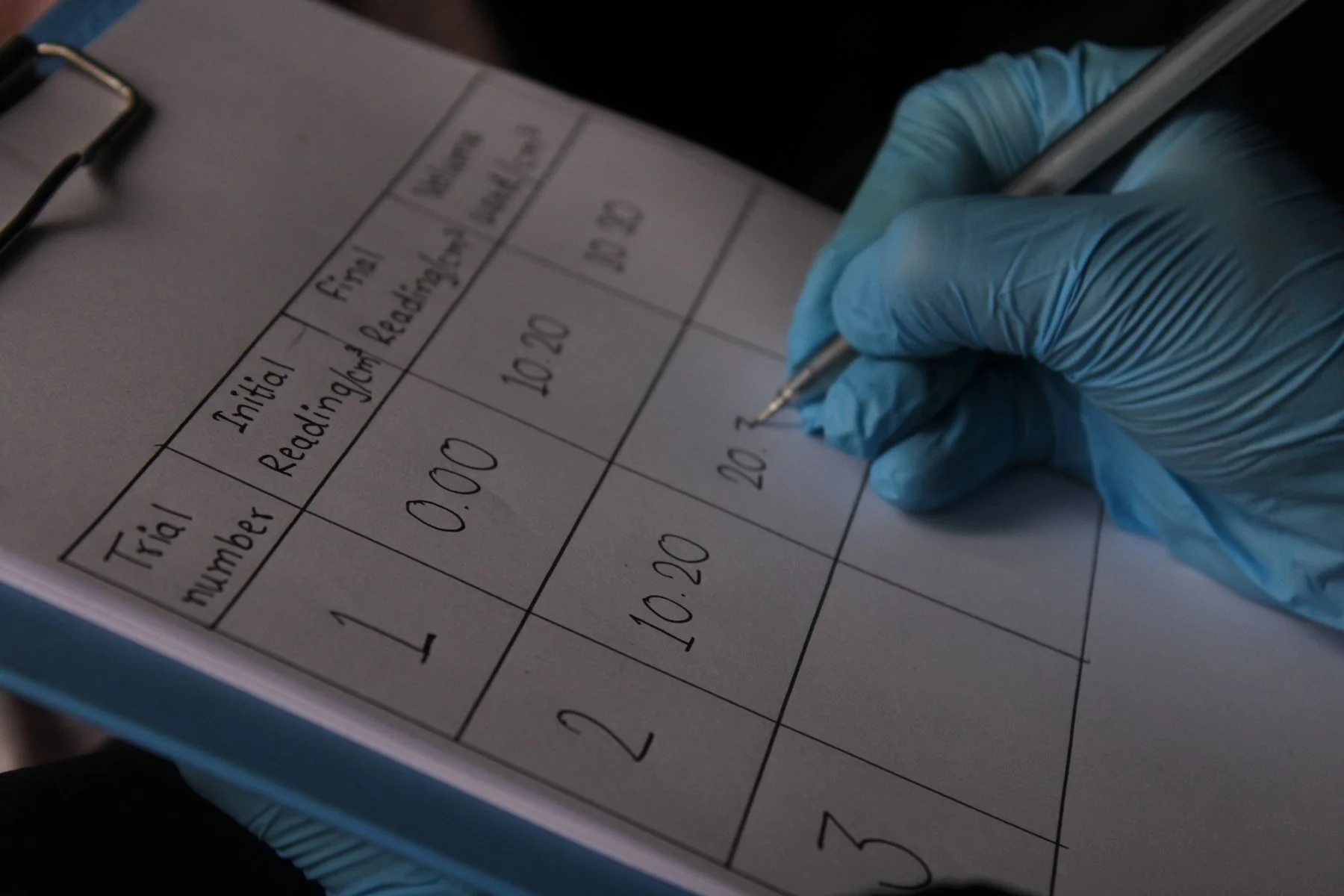
A certificate of analysis (COA) can be useful only when you know which sample was tested, what method was used, and what the result covers. A document titled “lab tested” is not automatically a complete quality record, and a COA cannot by itself prove that a coffee is effective or suitable for every person.
Start with the identity of the sample
Look for the product or ingredient name, lot or batch number, sample description, date received, date tested, and the laboratory that issued the report. The batch number should match the package or be clearly connected to it by the manufacturer. If a report has no product identity or no traceable lot, it may describe a different material than the one in your hands.
Check whether the sample is a raw ingredient, an extract, a blend before packaging, or the finished drink powder. Results for one stage do not automatically describe another stage. For example, a raw mushroom sample result cannot establish the amount or purity of the final multi-ingredient coffee after blending, handling, and storage.
Read the method, not only the result
A strong report identifies what was measured and how. The method might be a chemical assay, microbiological test, or identity examination, each designed to answer a different question. A line reading “pass” without naming the analyte and method gives less information than a numerical result, a stated limit, and the method used to produce it.
Units matter. Milligrams per kilogram, parts per million, and milligrams per serving are not interchangeable without a conversion and a defined serving amount. Make sure the result applies to the same material basis as the label. If the report gives concentration in a raw ingredient but the package lists a serving of a blend, the two figures cannot be compared directly without formulation details.
Separate a limit from a measured value
A specification limit is a threshold used to judge a sample. The result is the measurement or finding from the test. Some reports say “not detected,” which means the chosen method did not detect the target above its detection capability; it does not necessarily mean the substance is absent at every possible concentration.
Ask what the method can detect and what the laboratory's reporting limit is. “Below limit” is meaningful only in relation to a stated limit and a method suited to the substance. A limit should not be mistaken for proof that every possible contaminant was checked. Tests answer specific questions; no single routine panel covers every risk for every product.
Check who performed and reviewed the analysis
A report should identify a laboratory and a responsible reviewer. If the company describes a lab as accredited, check which accreditation body, standard, and scope apply. Accreditation for one test area does not necessarily cover every analyte on a report. A logo alone is not evidence that the exact method and sample were within that scope.
Also distinguish a supplier-provided COA from independent testing commissioned for the finished lot. Supplier documents can be part of a manufacturer's quality system, but a consumer may not be able to inspect the qualification and confirmation records behind them. If a report is posted publicly, check whether it is complete, legible, current, and tied to the package lot rather than a generic example.
Check which regulatory category the report concerns
In the United States, FDA's dietary-supplement manufacturing guide describes documentation expectations for manufacturers that rely on certain supplier certificates, including the test method, limits, actual results, and supplier qualification. That rule is specific to the dietary-supplement context. A mushroom coffee's regulatory category depends on the product and how it is marketed, so the same rule should not be casually applied to every coffee beverage.
Compliance terms are not an efficacy test
This distinction is useful because marketing pages sometimes invoke “FDA registered,” “GMP,” or “third-party tested” as if one phrase proves everything. Registration is not an approval of a product's efficacy. Good manufacturing requirements and a test report address defined process or measurement questions; they do not establish that a drink treats a condition.
What a COA cannot tell you
A laboratory report may support claims about the tested sample and listed analytes. It cannot demonstrate that every batch is identical unless there is a broader validated sampling program. It also does not, by itself, prove clinical effectiveness, determine a personally safe serving, or show how a product interacts with a person's medications or health conditions.
An ingredient identity result is not the same as potency, and a contaminant panel is not the same as a comprehensive safety assessment. A positive result for a measured marker does not establish a benefit. The report's value is proportional to its scope, traceability, and method—not to how official the document looks or how many pages it contains.
A quick document checklist
Before relying on a COA, verify the product and lot, sample type, laboratory name, test date, method, analyte, units, result, and limit. Check for signatures or review status and investigate any unexplained abbreviations. If the product has a multi-mushroom blend, see whether the report tests the blend or only one incoming ingredient. Note gaps instead of filling them with assumptions.
If a key detail is missing, ask the manufacturer a narrow question: “Does this report match lot X on my package, and does it test the finished blend or an ingredient?” The answer can help determine whether the document is relevant. If a medical or allergy decision depends on a product detail, consult a qualified professional and do not treat a marketing document as personal medical guidance.